
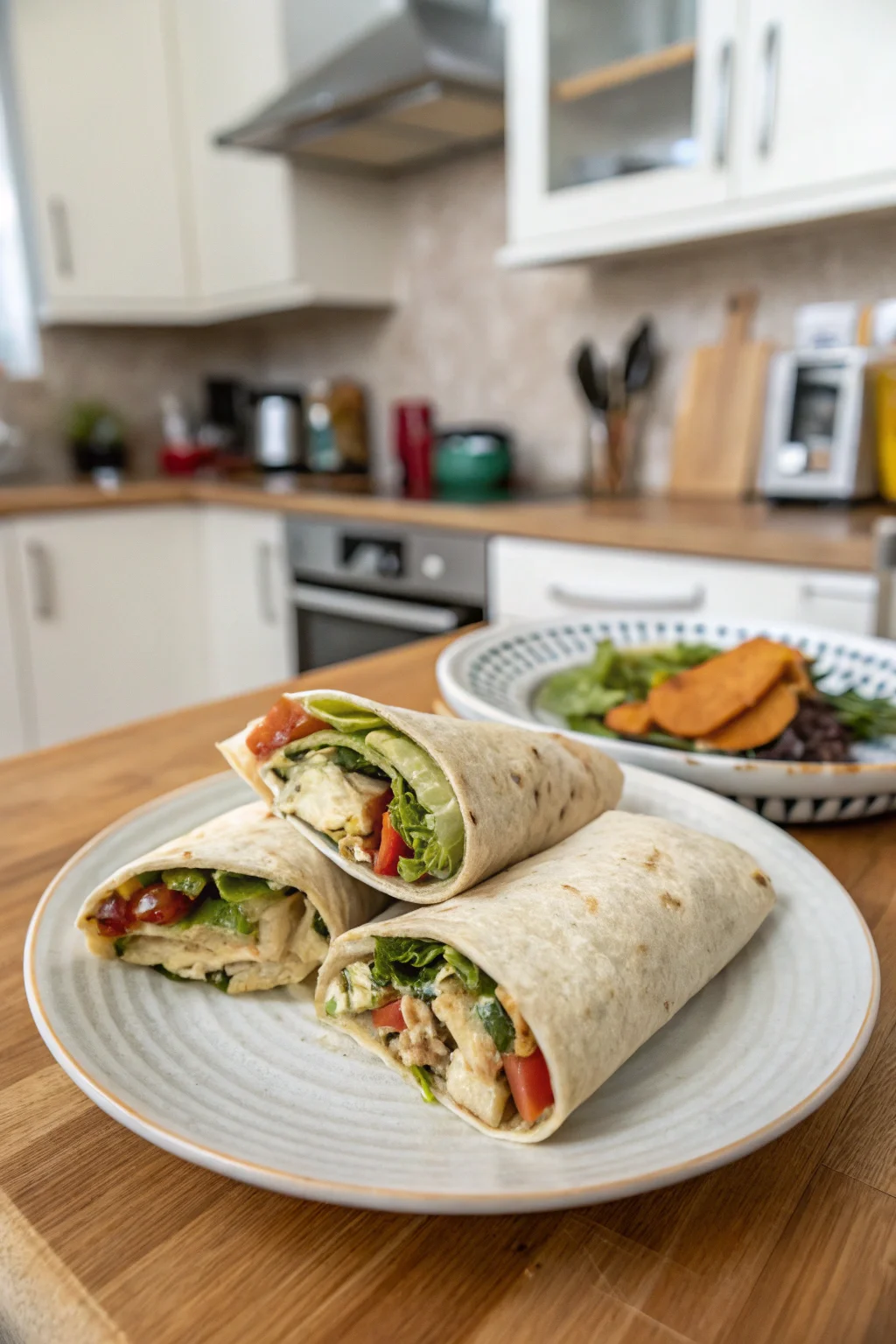
Are you looking for a nutritious and delicious alternative to traditional sandwiches? Healthy wraps can be a perfect choice! They’re versatile, easy to prepare, and can be filled with a variety of ingredients to suit any taste or dietary preference. This guide will answer your most pressing questions about making healthy wraps, helping you create satisfying meals that align with your health goals.
Table of Contents
What are the best wraps to use for a healthy meal?
When choosing wraps, opt for whole grain or whole wheat tortillas. These options are higher in fiber and nutrients compared to white flour tortillas. Whole grain wraps provide complex carbohydrates that are digested more slowly, helping to keep you fuller for longer. Look for wraps labeled as whole grain, multigrain, or with added seeds like flax or chia for extra health benefits. These seeds are rich in omega-3 fatty acids and fiber, which contribute to heart health and digestion.
Corn tortillas are another good choice, especially for gluten-free diets. Made from cornmeal, they offer a different flavor profile and are naturally gluten-free. Corn tortillas are typically smaller and sturdier, making them ideal for more compact wraps that are less likely to fall apart.
If you’re watching your carb intake, consider using lettuce leaves or collard greens as a low-calorie wrap alternative. These leafy greens are not only low in calories but also high in vitamins and minerals. Lettuce, like romaine and iceberg, offers a crisp texture, while collard greens have a slightly bitter taste but are packed with nutrients like vitamin K and calcium. To prepare collard greens, blanch them briefly in boiling water to make them more pliable and easier to roll.
How can I add more protein to my wrap?
Adding protein to your wrap is simple and can be done with both animal and plant-based options. Protein is essential for muscle repair, immune function, and overall health. Consider these ideas:
Grilled chicken breast or turkey slices: These lean meats are excellent protein sources and can be seasoned with herbs and spices for extra flavor. For a Mediterranean twist, marinate chicken in olive oil, lemon juice, and oregano before grilling.
Canned tuna or salmon: These are not only convenient but also rich in omega-3 fatty acids, which are beneficial for heart health. Mix them with a little Greek yogurt, lemon juice, and dill for a refreshing filling.
Hard-boiled or scrambled eggs: Eggs are a versatile and complete protein source. For a breakfast wrap, add scrambled eggs, sautéed spinach, and a sprinkle of cheese.
Black beans, chickpeas, or lentils: These legumes are high in protein and fiber, making them a great plant-based option. For a Mexican-style wrap, combine black beans with corn, avocado, and salsa.
Tofu or tempeh: These soy-based proteins can be marinated and grilled for a hearty and satisfying filling. For an Asian-inspired wrap, cube and stir-fry tofu with soy sauce, ginger, and garlic.
These sources not only add protein but also enhance the flavor and texture of your wrap. Pairing them with fresh vegetables makes your meal balanced and satisfying.
What vegetables are best for wraps?
Fresh vegetables add crunch, flavor, and essential nutrients to your wraps. They are low in calories and high in fiber, which aids digestion and helps maintain a healthy weight. Some great options include:
Leafy greens like spinach, kale, or arugula: These are nutrient-dense and add a fresh, slightly bitter taste. Spinach is mild and pairs well with most fillings, while kale offers a heartier texture.
Sliced bell peppers or cucumbers: These vegetables are crisp and hydrating, adding a refreshing element to your wrap. Bell peppers are available in a variety of colors, each with a slightly different flavor.
Grated carrots or beets: These root vegetables add a touch of sweetness and a vibrant color. Carrots are rich in beta-carotene, while beets offer antioxidants that support heart health.
Avocado or tomato slices: These not only add creaminess and juiciness but are also rich in vitamins and healthy fats. Avocados provide heart-healthy monounsaturated fats, and tomatoes are high in lycopene, an antioxidant.
Sprouts or microgreens: These tiny greens pack a nutritional punch and add a delicate flavor. They are particularly high in vitamins C and K.
Mix and match these vegetables for a colorful and nutritious wrap that keeps you full and energized. Experiment with different combinations to find your favorite mix of flavors and textures.
How can I make my wrap more flavorful?
Boosting the flavor of your wrap can be achieved with a variety of healthy ingredients. Flavorful wraps are more satisfying and can prevent the temptation to add less healthy, high-calorie sauces or spreads. Here are some ideas:
Add fresh herbs like cilantro, basil, or mint: These herbs add a fragrant and fresh taste. Cilantro pairs well with Mexican flavors, basil is great for Italian-inspired wraps, and mint adds a refreshing touch to Middle Eastern wraps.
Use hummus, pesto, or guacamole as a spread: These spreads add moisture and a rich flavor. Hummus can be made with chickpeas or black beans for different flavors and is high in protein and fiber. Pesto, made with basil or other greens, adds a savory note and healthy fats from olive oil and nuts.
Sprinkle with nuts or seeds for crunch and flavor: Almonds, walnuts, sunflower seeds, or pumpkin seeds add texture and healthy fats. Toast them lightly to enhance their nutty flavor.
Include a tangy element like pickles or olives: These add a burst of acidity that balances richer flavors. Olives are also a source of healthy fats and antioxidants.
These additions can transform a simple wrap into a gourmet meal, satisfying your taste buds without adding excess calories. Be mindful of portion sizes for calorie-dense ingredients like nuts and seeds.
What spreads or sauces are healthy for wraps?
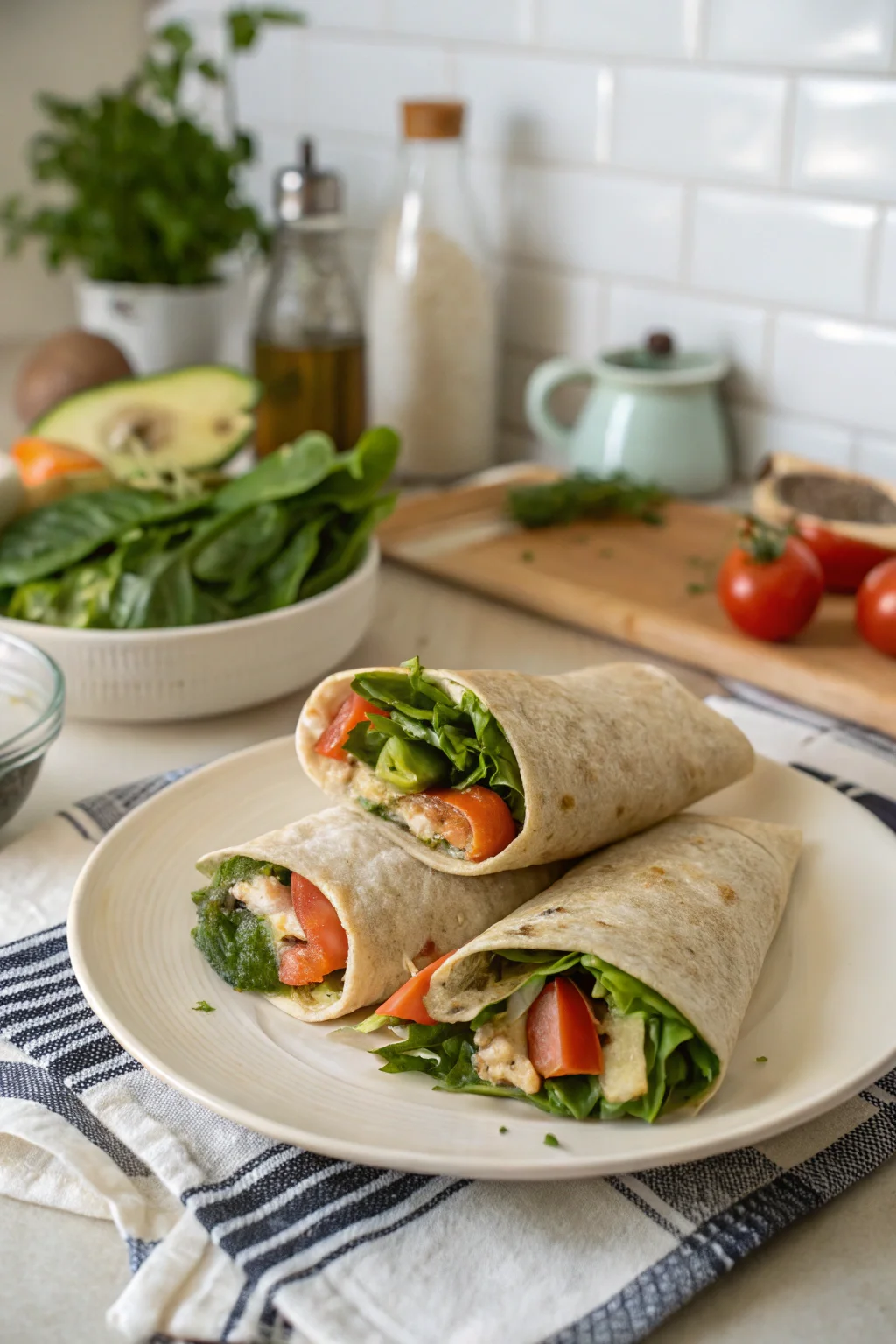
Choose spreads that are low in unhealthy fats and sugars. The right spread can add flavor and moisture without overwhelming the other ingredients. Healthy options include:
Homemade or store-bought hummus: Hummus is versatile and can be flavored with roasted red peppers, garlic, or even jalapeños for a spicy kick. It’s a great source of plant-based protein and fiber.
Avocado or guacamole: These add creaminess and healthy monounsaturated fats. Make a simple guacamole with mashed avocado, lime juice, and a pinch of salt.
Greek yogurt or tzatziki: These provide creaminess with a tangy flavor and are lower in fat and calories compared to mayonnaise-based dressings. Tzatziki, made with cucumber and dill, adds a refreshing note.
Mustard or balsamic vinaigrette: These are lower-calorie options that add a punch of flavor without excess fat. Dijon mustard or whole grain mustard offers a robust taste, while balsamic vinaigrette adds sweetness and acidity.
These spreads not only add moisture and flavor but also provide additional nutrients. Always check the ingredient list if you’re buying pre-made options to avoid added sugars and preservatives.
Can wraps be part of a weight loss diet?
Yes, wraps can be an excellent addition to a weight loss diet when prepared mindfully. The key is to focus on nutrient-dense ingredients and portion control. Here are some tips:
Opt for smaller wraps or use lettuce leaves: This helps cut down on calories and carbs. Smaller wraps help with portion control, and using lettuce leaves provides a low-calorie alternative.
Focus on filling your wrap with lean proteins, fresh vegetables, and healthy fats: These components are satisfying and provide the necessary nutrients. Lean proteins like chicken and fish, along with fiber-rich vegetables, keep you full.
Avoid high-calorie spreads and dressings: Choose lighter options like mustard or Greek yogurt-based spreads. Avoid creamy dressings that can add unnecessary calories.
Watch portion sizes: Be mindful of how much cheese, nuts, and spreads you use, as these can quickly add up in calories.
For more tips on healthy eating, check out our guide to balanced meals.
How do I pack wraps for lunch without them getting soggy?
To keep your wraps fresh and prevent them from becoming soggy, follow these tips:
Spread a moisture barrier like hummus or avocado on the wrap first: This creates a seal between the wrap and wetter ingredients.
Layer ingredients with high moisture content, such as tomatoes and cucumbers, in the center: This prevents the moisture from seeping into the wrap.
Wrap tightly in foil or parchment paper: This helps maintain the shape and prevents the wrap from unrolling.
Store in an airtight container or lunchbox: This keeps the wrap fresh and prevents exposure to air, which can make the wrap soggy.
These steps help maintain the texture and taste of your wrap, making it a perfect option for on-the-go meals. If possible, assemble your wrap just before eating or keep ingredients separate until you’re ready to eat.
Are there gluten-free options for wraps?
Absolutely! If you need gluten-free wraps, consider these alternatives:
Corn tortillas: These are naturally gluten-free and have a slightly sweet flavor. They’re perfect for Mexican-style wraps.
Lettuce leaves or collard greens: These are great for low-carb and gluten-free diets. They provide a fresh, crisp base that’s low in calories.
Coconut or almond flour wraps: These are higher in healthy fats and provide a unique flavor profile. They’re an excellent option for those following paleo or keto diets.
Gluten-free rice paper: Often used in Asian cuisine, rice paper is thin and neutral in flavor, making it a versatile wrap option.
These options allow you to enjoy wraps without compromising on taste or nutritional value. Always check labels to ensure they meet your dietary needs.
How can I make vegan wraps?
Creating vegan wraps is easy with the right ingredients. Vegan wraps can be just as flavorful and satisfying as those with animal products. Consider these components:
Use plant-based proteins like tofu, tempeh, or chickpeas: These provide essential amino acids and can be seasoned in various ways. Try marinating tempeh in soy sauce, ginger, and garlic for a savory filling.
Fill with a variety of vegetables and greens: The more colorful your wrap, the more nutrients it likely contains. Try combinations like roasted sweet potatoes, avocado, and spinach for a hearty wrap.
Use vegan spreads like hummus or avocado: These add creaminess and flavor without dairy. Experiment with different hummus flavors like roasted red pepper or spicy jalapeño.
Add flavor with herbs, spices, and lemon juice: These enhance the taste and provide extra nutrients without added calories. A sprinkle of nutritional yeast can add a cheesy flavor to vegan wraps.
These components ensure your wrap is delicious, nutritious, and completely plant-based. Vegan wraps are also a great way to use up leftover vegetables and grains.
What are some creative wrap filling ideas?
If you’re looking to switch things up, try these creative filling ideas:
Mediterranean: Hummus, falafel, cucumber, tomato, and olives create a flavorful and satisfying wrap. Add a sprinkle of feta cheese for an extra punch.
Asian-inspired: Tofu, cabbage slaw, carrots, and hoisin sauce provide a sweet and savory combination. Add some chopped peanuts for crunch.
Mexican-style: Black beans, corn, avocado, and salsa offer a spicy and hearty filling. Add a squeeze of lime and fresh cilantro for brightness.
Breakfast wrap: Scrambled eggs, spinach, and cheese create a nutritious start to the day. Add some salsa or hot sauce for extra flavor.
These combinations offer a variety of flavors and textures, keeping your meals exciting and satisfying. Customize these ideas with your favorite ingredients or whatever you have on hand.
How do I ensure balanced nutrition in my wraps?
To make your wrap nutritionally balanced, include:
A source of protein (e.g., chicken, beans): This helps build and repair tissues and keeps you full.
Plenty of vegetables for fiber and vitamins: These support digestion and overall health. Aim for a variety of colors to ensure a range of nutrients.
A bit of healthy fat (e.g., avocado, nuts): Healthy fats are essential for absorbing fat-soluble vitamins and keeping you satiated.
Whole grain or low-carb wrap options: These provide fiber and energy without spiking blood sugar levels.
This balance ensures you’re getting the necessary nutrients without excess calories. For more guidance, read our healthy meal planning tips.
How long can I store homemade wraps in the fridge?
Homemade wraps can typically be stored in the fridge for up to 3 days. To maintain freshness:
Wrap each one tightly in foil or plastic wrap: This prevents them from drying out or absorbing other odors from the fridge.
Store in an airtight container: This adds an extra layer of protection against air and moisture.
Avoid adding wet ingredients until right before eating: This prevents the wrap from becoming soggy. Keep ingredients like tomatoes, cucumbers, and dressings separate until you’re ready to eat.
By following these steps, your wraps will remain fresh and delicious. Consider preparing ingredients in advance and assembling wraps as needed for maximum freshness.
What are some low-carb wrap options?
If you’re reducing carbs, consider these wrap alternatives:
Lettuce leaves or collard greens: These are virtually carb-free and provide a fresh, crunchy texture.
Cabbage leaves: These are sturdy and can hold a variety of fillings without breaking.
Low-carb tortillas (look for brands specifically labeled as such): These are often made with ingredients like coconut flour or almond flour and are designed to be keto-friendly.
These options help you enjoy wraps without the extra carbs, perfect for those following a keto or low-carb diet. Pair them with high-protein and high-fat fillings to keep you full and energized.
Conclusion
Healthy wraps are a versatile and delicious alternative to sandwiches, offering endless possibilities for nutritious meals. By choosing the right ingredients, you can customize them to suit your dietary needs and flavor preferences. Whether you’re packing lunch for work or looking for a quick dinner option, wraps can be a convenient and healthy choice. They allow you to incorporate a variety of food groups into a single meal, ensuring balanced nutrition.
For more healthy eating ideas, explore our nutrition tips and make every meal a balanced one! Remember, the key to successful wraps is creativity—experiment with different ingredients and flavor combinations to keep your meals exciting and satisfying.
For external resources, consider checking out the American Heart Association for more tips on healthy eating.