
There’s something truly comforting about a pot of classic beef stew bubbling away on the stove. It’s a dish that warms the heart and fills the home with a rich, savory aroma. I remember the first time I made this stew for my family on a crisp fall evening. We gathered around the table, each of us eagerly awaiting a steaming bowlful. It’s become a family tradition ever since, and I’m excited to share this recipe with you, hoping it becomes a favorite in your home too.
Why You’ll Love This Hearty Stew
-
Comforting and Satisfying: This beef stew is the ultimate comfort food, perfect for chilly evenings when you need a warm hug in a bowl. There’s something about the slow simmering process that not only brings out the flavors but also fills the home with an inviting aroma that wraps around you like a cozy blanket. The tender beef and perfectly cooked vegetables create a comforting symphony of textures and tastes that delight the senses.
-
Easy to Make: With simple ingredients and straightforward steps, even beginner cooks can master this recipe. It doesn’t require any fancy techniques or equipment, just a bit of patience as the flavors meld together over time. The key is to let the ingredients do the work, allowing the stew to simmer gently, which enhances its depth of flavor without much fuss.
-
Nutrient-Rich: Packed with protein, fiber, and essential vitamins, this stew is as nourishing as it is delicious. The combination of lean beef, vegetables, and herbs offers a balanced meal that contributes to a healthy diet. The inclusion of various colorful vegetables not only boosts the nutritional value but also makes the dish visually appealing.
-
Family-Friendly: Kids and adults alike love this hearty meal, making it a staple that brings everyone to the table. The familiar flavors are a hit with picky eaters, and it’s versatile enough to cater to different dietary preferences. You can even adjust the seasoning to suit your family’s taste, ensuring everyone leaves the table satisfied.
-
Make-Ahead Friendly: The flavors deepen when made a day in advance, making meal planning a breeze. This stew is ideal for busy weeknights or when you need to prepare something ahead of time for guests. The convenience of preparing it in advance allows you to focus on other aspects of your gathering or simply enjoy a stress-free evening.
The Recipe
Prep Time: 20 minutes
Cook Time: 2 hours
Servings: 6
Calories: Approximately 350 per serving
Ingredients:
- 2 pounds of beef chuck, cut into 1-inch cubes
- 3 tablespoons olive oil
- Salt and pepper, to taste
- 1 large onion, chopped
- 3 cloves garlic, minced
- 2 tablespoons tomato paste
- 1/4 cup all-purpose flour
- 4 cups beef broth
- 1 cup red wine (optional, see alternatives)
- 3 large carrots, sliced
- 2 potatoes, peeled and diced
- 2 bay leaves
- 1 teaspoon dried thyme
- 1 cup peas (frozen or fresh)
Instructions:
- Brown the Beef: Heat 2 tablespoons of olive oil in a large pot over medium-high heat. Season the beef with salt and pepper. In batches, brown the beef cubes, ensuring not to overcrowd the pot. This step is crucial for developing a deep, rich flavor. The caramelization that occurs during browning adds complexity to the stew. Remove and set aside.
- Tip: Use a heavy-bottomed pot like a Dutch oven to maintain consistent heat and prevent the beef from sticking. Allow each side of the beef cubes to brown fully without stirring too often, which enhances the flavor.
- Sauté Vegetables: In the same pot, add the remaining olive oil. Sauté the onion and garlic until softened, about 5 minutes. Stir in the tomato paste and flour, cooking for another 2 minutes. This creates a roux that will help thicken the stew and impart a subtle sweetness from the tomato paste.
- Tip: Make sure to stir continuously while adding the flour to prevent lumps from forming. The tomato paste should begin to darken slightly, indicating it’s ready to contribute its full flavor to the stew.
- Deglaze the Pot: Slowly add the beef broth and wine, scraping up any browned bits from the bottom of the pot. This adds incredible flavor to your stew. If you prefer to skip the wine, you can substitute with an equal amount of beef broth or even use some balsamic vinegar for an added depth of flavor.
- Tip: Deglazing is an essential step that ensures all the flavorful bits stuck to the pot are incorporated into the stew, adding richness and depth to the broth.
- Simmer the Stew: Return the beef to the pot along with carrots, potatoes, bay leaves, and thyme. Bring to a simmer, cover, and reduce the heat to low. Cook for about 1.5 to 2 hours, until the beef is tender. The low and slow cooking process ensures that the beef becomes melt-in-your-mouth tender while allowing the vegetables to soak up all the flavorful broth.
- Tip: Check the stew occasionally to ensure it’s simmering gently. If it appears too dry, add a splash more beef broth or water to maintain the desired consistency.
- Finish with Peas: In the last 10 minutes of cooking, stir in the peas. Adjust seasoning with salt and pepper if needed. The peas add a touch of color and freshness, balancing the stew’s richer flavors.
- Tip: For even more flavor, try adding a splash of Worcestershire sauce or a handful of fresh herbs like parsley before serving. These small additions can elevate the stew, making it even more irresistible.
Kitchen Tools You’ll Need
-
Large pot or Dutch oven: A heavy-bottomed pot like a Dutch oven is ideal for even heat distribution and maintaining a steady simmer. Its thick walls help to evenly cook the stew, preventing any hot spots that could cause uneven cooking or burning.
-
Wooden spoon: Great for stirring and scraping up those delicious bits from the bottom of the pot. A sturdy wooden spoon is gentle on your cookware and helps ensure you don’t miss any of the flavorful bits.
-
Cutting board: Use a sturdy board to safely chop your ingredients. A large, stable cutting board provides ample space and stability, making prep work more efficient and safer.
-
Sharp knife: A sharp knife makes quick work of cutting meat and vegetables, ensuring a uniform size for even cooking. Regularly honing your knife will keep it in top shape, reducing the effort needed for chopping.
-
Measuring cups and spoons: Accurate measurements help maintain the balance of flavors and textures in the stew. Precision in measuring ingredients ensures consistency in taste and texture each time you make the stew.
The Benefits of Each Ingredient
-
Beef Chuck: This cut is perfect for slow cooking, becoming tender and flavorful over time. It’s also relatively affordable, making it a great choice for feeding a crowd. Its marbling ensures that the meat remains juicy and flavorful after hours of simmering.
-
Onions and Garlic: These aromatics build the stew’s foundational flavors. They’re essential for creating a savory base that complements the meat. The sweetness of the onions develops through slow cooking, while garlic adds a subtle pungency.
-
Tomato Paste: Adds depth and a slight sweetness to balance the savory notes. It also contributes to a richer, more robust broth. The concentrated flavor of tomato paste brings complexity and enhances the umami taste of the stew.
-
Carrots and Potatoes: Provide natural sweetness and heartiness, making the stew a complete meal. They’re also an excellent source of vitamins and minerals. Carrots offer a touch of sweetness, while potatoes add a creamy texture, both melding beautifully with the savory broth.
-
Peas: Add a pop of color and a touch of sweetness, along with fiber and vitamins. They’re often added at the end to retain their vibrant color and crisp texture. Peas brighten the dish visually and balance the richer flavors with their gentle sweetness.
What to Serve With This Stew
This classic beef stew is a meal in itself, but it pairs beautifully with crusty bread or homemade dinner rolls to soak up the rich broth. A simple green salad can add a refreshing contrast to the hearty stew. Consider a salad with mixed greens, sliced apples, and a light vinaigrette to add a crisp, tangy element to the meal. For dessert, consider serving a light fruit compote or a slice of warm apple pie, which complements the fall flavors of the stew.
For more comforting recipes, check out our Chicken Pot Pie Recipe and Hearty Vegetable Soup on {BLOG_DOMAIN}!
Storage & Leftover Tips
-
Refrigeration: Store leftovers in an airtight container in the refrigerator for up to 3 days. The flavors continue to develop, often tasting even better the next day. Ensure the stew has cooled to room temperature before sealing to prevent condensation.
-
Freezing: This stew freezes wonderfully. Simply cool completely, then transfer to freezer-safe containers for up to 3 months. Thaw overnight in the refrigerator before reheating. This makes it a fantastic option for batch cooking and meal prep.
-
Reheating: Reheat gently on the stove over low heat, adding a splash of water or broth if needed to loosen the consistency. Avoid boiling, as this can toughen the meat and break down the vegetables too much. Stir occasionally to ensure even heating.
In closing, I hope this classic beef stew becomes a beloved dish in your home as it is in mine. It’s more than just a meal; it’s a gathering point for family and friends, a reason to linger at the table a little longer. Enjoy every comforting bite!


Air Fryer Duck Legs
Ingredients
Equipment
Method
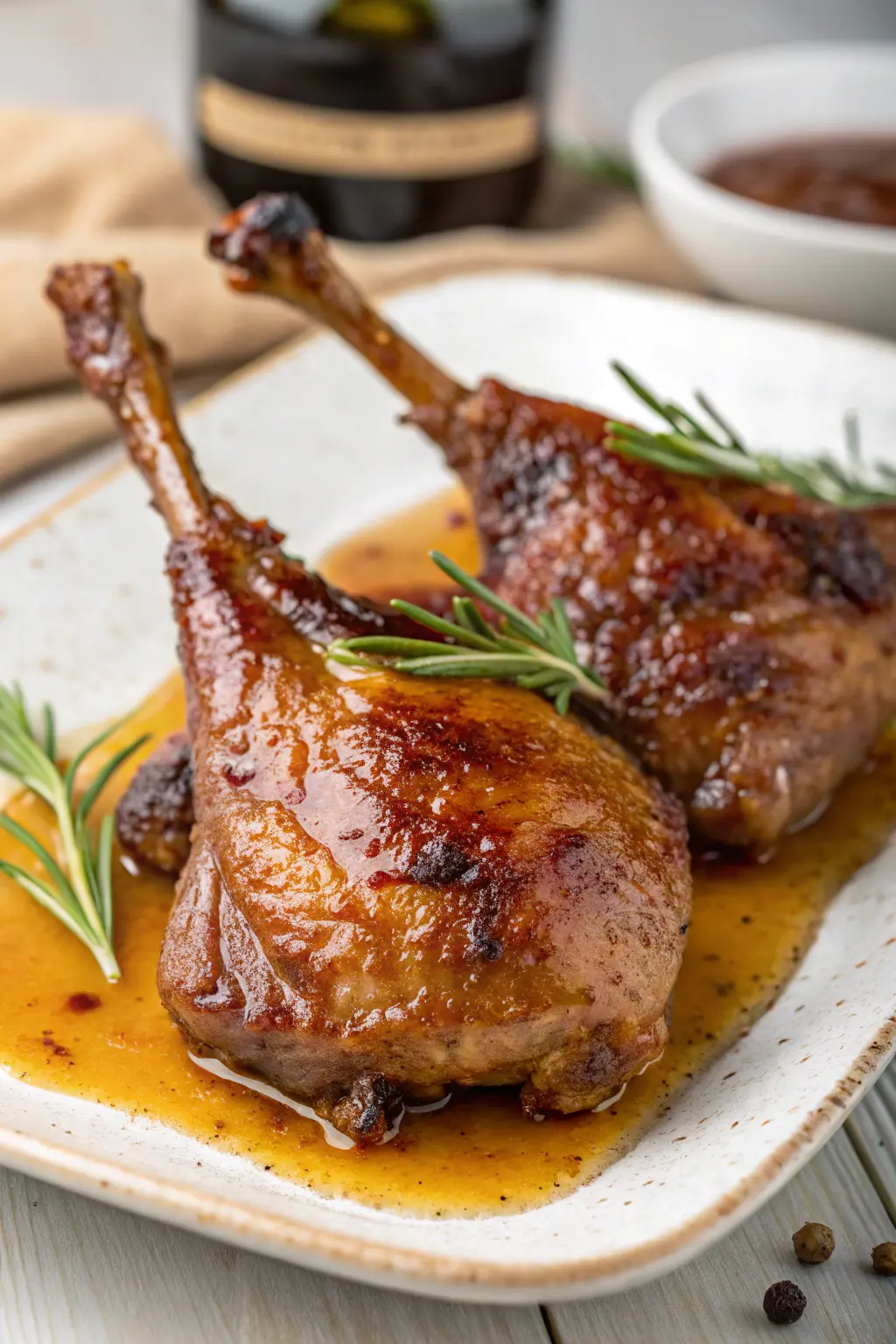
- Pat the duck legs dry with paper towels to remove excess moisture.
- In a bowl, mix olive oil, salt, black pepper, garlic powder, and smoked paprika.
- Rub the spice mixture all over the duck legs, ensuring they are evenly coated.
- Preheat the air fryer to 400°F (200°C) for about 5 minutes.
- Place the duck legs skin-side down in the air fryer basket, ensuring they are not overcrowded.
- Cook for 15 minutes, then flip the duck legs to skin-side up.
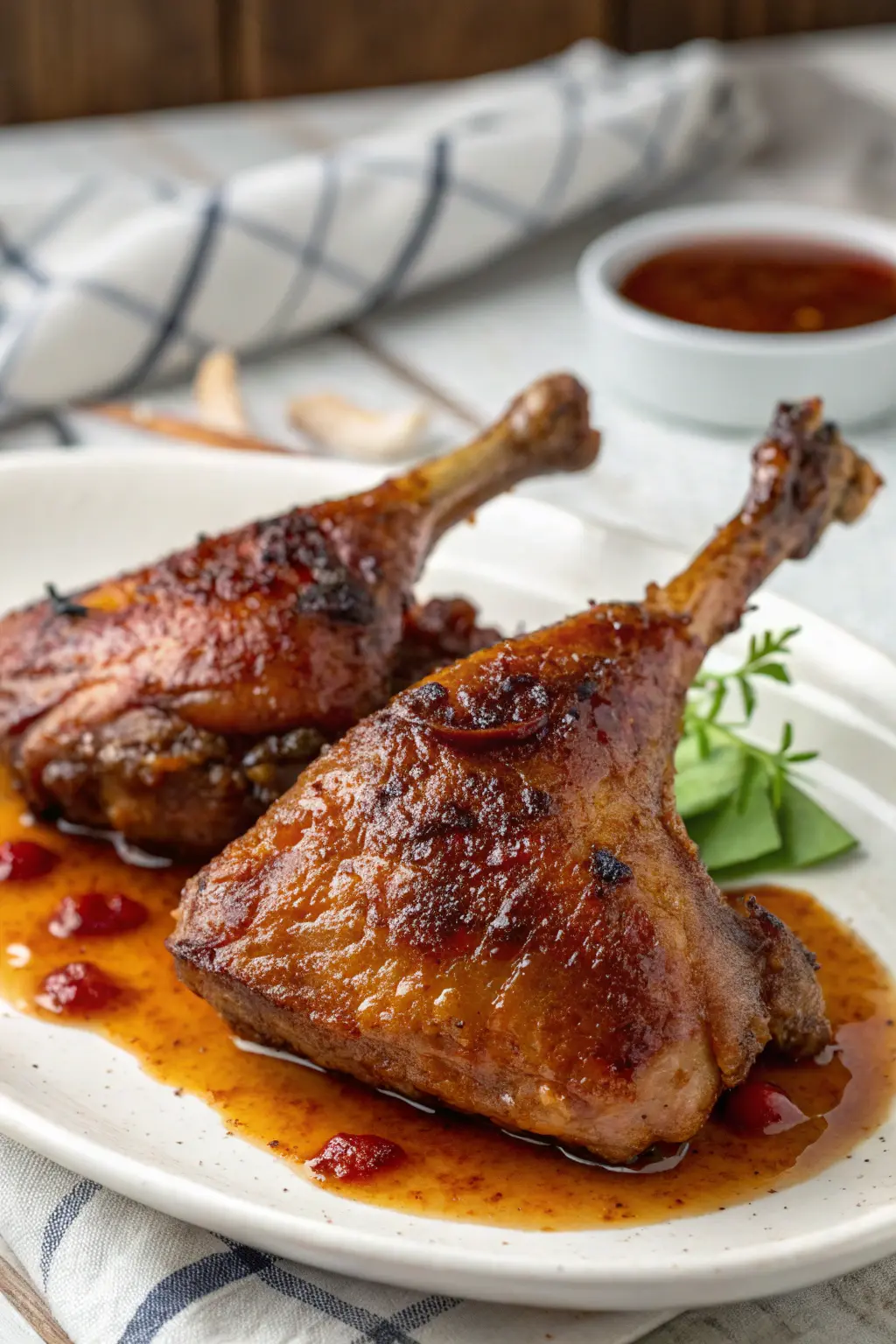
- Continue cooking for an additional 15 minutes or until the skin is crispy and the internal temperature reaches 165°F (74°C).
- Let the duck legs rest for 5 minutes before serving.