
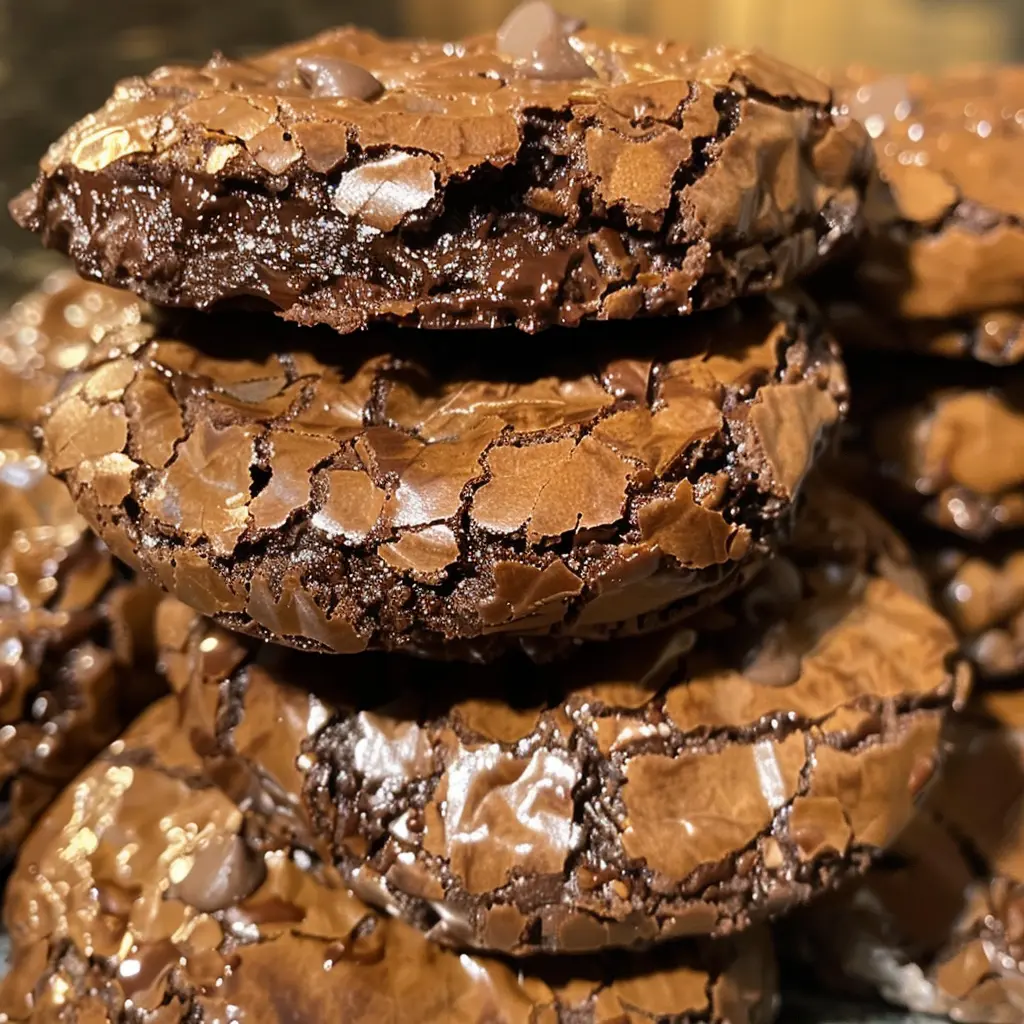
Brownie mix cookies take everything that makes a brownie great — the deep chocolate flavor, the fudgy density, the slightly crackled top — and compress it into a cookie-sized format that bakes in under 12 minutes. One bowl, five ingredients, and you have a batch of cookies that out-chocolates anything a standard cookie recipe produces. If you have a box of brownie mix in the pantry, you’re closer to genuinely great cookies than you might think.
| Detail | Info |
|---|---|
| Prep Time | 10 minutes |
| Cook Time | 11 minutes per batch |
| Cool Time | 5 minutes |
| Total Time | About 30 minutes |
| Yield | About 24 cookies |
| Difficulty | Easy |
| Cuisine | American |
Why This Recipe Works
A standard brownie mix baked according to the package directions produces a batter that’s too wet and spreadable to scoop into cookies — it would flatten completely in the oven into thin, crispy discs. The addition of a quarter cup of all-purpose flour is the key adjustment that changes everything. The extra flour increases the structure of the dough and absorbs enough of the liquid from the eggs and oil to produce a dough thick enough to hold its shape when scooped onto a baking sheet. Without the flour, brownie batter cookies spread flat. With it, they hold a slight dome and bake into a proper, fudgy cookie with defined edges.
The ratio of eggs to oil in this recipe is deliberately leaner than a standard brownie recipe. Brownie mix instructions typically call for two to three eggs and a third to a half cup of oil for a full pan — a ratio designed to produce a pourable batter. By using two eggs and only a quarter cup of oil alongside the added flour, the recipe produces a stiffer, more scoopable dough with a lower liquid-to-dry ratio that bakes into a thicker, chewier cookie rather than a flat, crispy one.
Vanilla extract is not a standard brownie mix ingredient but it plays an important role in cookies made this way. The chocolate flavor in brownie mix is assertive and one-dimensional without something to round it out. A teaspoon of vanilla extract adds a warm, aromatic note that makes the chocolate flavor taste more complex and less flat. It’s one of those additions where you notice its presence in the finished cookie rather than as an identifiable vanilla flavor layered on top of the chocolate.
Pulling the cookies from the oven when the edges are set and the centers still look slightly underdone is the technique that produces the fudgy, chewy texture that makes these cookies special. The centers continue cooking from residual heat during the 5-minute rest on the hot baking sheet. Cookies that look fully set in the oven are already overbaked — by the time they cool they’ll be dry and slightly crumbly rather than the dense, fudgy texture this recipe is designed to produce.
The optional chocolate chips turn a very good chocolate cookie into a great one. They add textural contrast — a slight firmness of the chip against the soft, fudgy cookie base — and pockets of intense, sweet chocolate flavor concentrated in each chip. Semi-sweet chips are the classic choice, but dark chocolate chips or even white chocolate chips work exceptionally well as contrasts to the deeply cocoa-flavored base.
Ingredients
| Ingredient | Quantity | Notes |
|---|---|---|
| Brownie mix | 1 box (18 oz) | Any brand works; fudge brownie mix produces the richest cookies |
| All-purpose flour | 1/4 cup | The key addition that thickens the dough to a scoopable consistency |
| Large eggs | 2 | Room temperature eggs incorporate more smoothly into the dough |
| Vegetable oil | 1/4 cup | Canola oil works equally well; keeps cookies moist and chewy |
| Vanilla extract | 1 teaspoon | Pure vanilla extract; rounds out and deepens the chocolate flavor |
| Chocolate chips (optional) | 1/2 cup | Semi-sweet, dark, or white chocolate; fold in gently at the end |
Step-by-Step Instructions
Phase 1: Make the Dough
- Preheat your oven to 350 degrees F. Line two baking sheets with parchment paper. Parchment prevents sticking without any greasing and promotes even browning on the bottom of the cookies — a critical detail for cookies as chocolate-dark as these, where it’s difficult to see when the bottom is browning without lifting them.
- In a large mixing bowl, combine the brownie mix and flour. Whisk them together briefly so the flour is distributed through the mix before the wet ingredients go in — this prevents lumps of flour from remaining unmixed in the finished dough.
- Add the eggs, vegetable oil, and vanilla extract to the dry ingredients. Stir with a wooden spoon or rubber spatula until a thick, cohesive dough forms. The dough will be significantly stiffer than brownie batter — it should pull away from the sides of the bowl cleanly and hold its shape when pressed. If it still seems too wet to scoop, let it rest for 5 minutes; the flour continues absorbing moisture as it sits and the dough firms up slightly.
- Fold in the chocolate chips, if using, with a few gentle strokes. Don’t overmix at this stage — you want the chips distributed through the dough without breaking them or overworking the mixture.
Phase 2: Scoop and Bake
- Using a tablespoon cookie scoop or two spoons, portion the dough into balls roughly the size of a whole walnut — about 1.5 tablespoons of dough each. Place them on the prepared baking sheets, spacing them about 2 inches apart. These cookies don’t spread dramatically, but they do spread some, and crowding them prevents even airflow and browning.
- For a slightly smoother top, roll each dough ball briefly between your palms before placing it on the sheet. This is optional but produces a more uniform-looking cookie with a clean surface that cracks attractively as it bakes.
- Bake one sheet at a time on the center rack for 9 to 11 minutes. Watch carefully in the last 2 minutes. The edges should look set and slightly firm, and the top surface should have developed that signature crackled, slightly glossy appearance of a well-made brownie. The centers will look underdone and slightly shiny — this is correct. Do not bake until the centers look set.
- Remove the baking sheet from the oven and leave the cookies on it for exactly 5 minutes without touching them. They are too fragile to move immediately and will fall apart if you try. The 5-minute rest on the hot pan continues baking the centers gently and firms them to the point where they can be lifted cleanly.
- After 5 minutes, transfer the cookies to a wire rack using a thin spatula. Cool for at least 10 more minutes before eating — they taste significantly better at slightly cooled room temperature than they do when still hot, when the fudgy interior is too molten to fully appreciate.
Chef Tips for Perfect Results
Use a fudge brownie mix rather than a cake-style brownie mix. Not all brownie mixes are the same. Fudge brownie mixes contain more cocoa and fat than cake-style mixes and produce a denser, richer cookie. Cake-style brownie mixes produce a lighter, more cakey cookie that some people prefer but lacks the deeply fudgy quality that makes this recipe distinctive. Check the mix description on the box and choose fudge when possible.
Chill the dough for 20 minutes if it seems too soft. On warm days or if your kitchen is particularly warm, the dough may be softer than ideal and spread too much during baking. Twenty minutes in the refrigerator firms the dough and produces a thicker, more defined cookie with a slightly chewier texture. Chilling is also useful if you want to bake the cookies in batches over a few hours — cover the bowl and refrigerate the unused dough between batches.
Press a few extra chocolate chips onto the top of each dough ball before baking. Chips pressed into the surface of the dough stay visible after baking and make the finished cookies look more professionally made. The chips on the surface also melt slightly during baking and create chocolate puddles on top that are visually appealing and delicious.
Add a pinch of espresso powder to the dry ingredients. A quarter teaspoon of instant espresso powder or instant coffee stirred into the brownie mix before the wet ingredients go in amplifies the chocolate flavor without making the cookies taste like coffee. Chocolate and coffee are natural flavor partners — the espresso deepens the cocoa notes and makes the chocolate taste more intense and complex. This is the kind of addition that makes people ask why these cookies taste better than expected without being able to identify what’s different.
Sprinkle flaky sea salt on top before baking. A pinch of flaky salt — Maldon or another flaky variety — pressed lightly onto each dough ball before it goes into the oven creates a sweet-salty contrast on the finished cookie that’s addictive. Salt is one of the most effective flavor enhancers for chocolate, and the contrast between a flaky crystal of salt and the intensely sweet, fudgy cookie underneath makes each bite more interesting.
Common Mistakes to Avoid
Skipping the flour addition. The flour is not an optional modification — it’s the ingredient that makes brownie mix into cookie dough rather than brownie batter. Without it, the dough is too wet to scoop into defined portions and the cookies spread flat in the oven. Don’t skip it or reduce the quantity.
Overbaking. Brownie mix cookies look deceivingly underdone when they’re actually perfect. The dark chocolate color makes it difficult to gauge doneness by appearance alone, and the fudgy interior takes longer to firm up than a standard cookie. Pull them at 9 to 11 minutes regardless of how underdone they look in the center — they will finish on the hot pan and reach the right texture as they cool.
Moving the cookies too soon. Brownie mix cookies have less structural integrity than standard cookies when they first come out of the oven because their fudgy, dense interior is still essentially molten. Moving them before the 5-minute rest on the pan causes them to bend, crack, and fall apart. Set a timer and leave them completely undisturbed.
Using too much flour. A quarter cup is the right amount. More flour produces a cakey, dry cookie that loses the fudgy quality that defines this recipe. Measure precisely by spooning the flour into the measuring cup and leveling off the top rather than scooping directly from the bag, which compacts the flour and can add significantly more than intended.
Baking multiple sheets at once on different racks. Baking two sheets simultaneously on different oven racks produces uneven results — the sheet on the lower rack browns faster on the bottom while the sheet on the upper rack stays paler. Bake one sheet at a time on the center rack for consistent results across every cookie in the batch.
Variations and Substitutions
Peanut butter swirl: Drop a quarter teaspoon of creamy peanut butter onto each dough ball after placing it on the baking sheet. Use a toothpick to swirl it slightly into the surface. The peanut butter and chocolate combination is classic and the peanut butter creates a slightly different texture in the swirled area — slightly lighter and nuttier against the dense, fudgy cookie base.
Mint chocolate: Replace the vanilla extract with half a teaspoon of pure peppermint extract and fold in mint chocolate chips instead of regular chocolate chips. The cool, refreshing mint plays against the intensely dark chocolate of the brownie mix in a combination reminiscent of a peppermint patty. Start with a quarter teaspoon of peppermint extract and taste — it’s more assertive than vanilla and can easily overwhelm the chocolate if overused.
Nutella stuffed: Scoop tablespoon-sized portions of Nutella onto a parchment-lined plate and freeze for 30 minutes until solid. Wrap a tablespoon of brownie mix cookie dough around each frozen Nutella portion, roll into a ball, and bake as directed. The Nutella melts during baking into a molten, hazelnut-chocolate center that makes these an exceptional version of the recipe.
S’mores cookies: Press a miniature marshmallow and a small square of graham cracker into the top of each dough ball before baking. The marshmallow toasts in the oven and the graham cracker adds crunch, recreating the s’mores flavor combination in cookie form. Add a small piece of chocolate bar on top immediately after the cookies come out of the oven while they’re still hot enough to melt it.
White chocolate and macadamia: Swap the chocolate chips for white chocolate chips and fold in a quarter cup of roughly chopped macadamia nuts. The buttery richness of the macadamia and the sweetness of the white chocolate create an interesting contrast against the intensely dark chocolate base of the brownie mix cookie.
Serving Suggestions
Serve slightly warm — about 15 to 20 minutes out of the oven — when the fudgy interior has set enough to hold together but is still soft and slightly gooey in the center. A glass of cold milk alongside is the straightforward, correct pairing. A scoop of vanilla ice cream sandwiched between two completely cooled cookies makes an exceptional ice cream sandwich that holds together better than most because of the dense, fudgy cookie structure.
For a dessert platter, arrange the cookies alongside brownies and blondies for a chocolate-forward dessert spread. The cookies look visually similar to brownies cut into rounds and create a cohesive chocolate theme across the whole platter.
Storage
Room temperature: Store in an airtight container at room temperature for up to 5 days. Place a slice of bread in the container with the cookies — the bread absorbs excess moisture and keeps the cookies soft for longer. The cookies actually improve slightly on day two as the fudgy interior sets further and the flavors develop.
Freezer (baked): Freeze baked, completely cooled cookies in a single layer on a baking sheet until solid, then transfer to a freezer bag. They keep for up to 3 months. Thaw at room temperature for 20 to 30 minutes. A 10-second microwave burst after thawing restores that fresh-baked, slightly warm and gooey quality.
Freezer (unbaked dough): Scoop the dough into balls and freeze on a parchment-lined sheet until solid, then transfer to a freezer bag. Bake directly from frozen at 350 degrees F, adding 2 to 3 minutes to the bake time. Fresh-baked cookies from frozen dough are noticeably superior in texture to thawed pre-baked cookies.
Nutritional Information
| Nutrient | Per Cookie (based on 24 cookies) |
|---|---|
| Calories | 135 |
| Protein | 2g |
| Carbohydrates | 20g |
| Fat | 6g |
| Saturated Fat | 1.5g |
| Fiber | 1g |
| Sugar | 14g |
| Sodium | 95mg |
Nutritional values are estimates based on a standard 18-ounce fudge brownie mix without chocolate chips. Values will vary based on the specific brownie mix brand used.
FAQ
Why did my cookies spread completely flat?
Flat cookies from brownie mix dough almost always come from one of three causes: the flour was omitted or undermeasured, the dough was too warm when it went onto the baking sheet, or the baking sheet was hot from a previous batch when the dough was placed on it. Make sure the full quarter cup of flour is incorporated, chill the dough for 15 to 20 minutes if your kitchen is warm, and always let the baking sheet cool completely between batches — or use a second sheet while the first cools.
Can I use butter instead of vegetable oil?
Melted butter can replace the vegetable oil in the same quantity. Butter produces a slightly different flavor — richer and with a more complex, dairy-forward note — and a slightly crispier edge than oil. The interior texture stays fudgy either way. Brown butter used in place of melted regular butter adds a nutty, toffee-like depth that makes these cookies taste noticeably more sophisticated. Melt the butter and cook it in the saucepan until the milk solids turn golden brown and it smells nutty before using.
Can I add other mix-ins beyond chocolate chips?
Yes. Chopped walnuts or pecans fold in well and add crunch that contrasts nicely with the fudgy base. Caramel bits hold their shape during baking and create pockets of sweet, buttery caramel throughout the cookie. Dried cherries add a tart, fruity counterpoint to the intense chocolate. Crushed pretzels folded in and pressed into the surface add both salt and crunch. Any mix-in that works in a brownie works in these cookies — use up to three-quarters of a cup total of any combination.
Can I use a gluten-free brownie mix?
Yes. Replace the all-purpose flour with a gluten-free all-purpose flour blend in the same quantity. Most gluten-free brownie mixes and flour blends behave very similarly to their regular counterparts in this recipe since the dough relies primarily on the mix’s own binding agents rather than gluten development. The bake time may need a minute or two of adjustment — gluten-free cookies sometimes bake slightly faster, so start checking at 8 minutes.
How do I make these cookies extra fudgy?
Three adjustments push these cookies further toward maximum fudginess: reduce the bake time to 8 to 9 minutes and pull them when the edges are just barely set, use a fudge brownie mix rather than a cake-style mix, and let them cool completely on the pan rather than transferring to a rack — the longer they sit on the warm pan, the more the interior sets into that dense, almost truffle-like texture. Adding a tablespoon of unsweetened cocoa powder to the dry ingredients alongside the flour also deepens the chocolate intensity without affecting the fudgy texture.
Conclusion
Cookies made from brownie mix are one of the most reliable pantry hacks in home baking. The recipe is genuinely simple, the ingredients are things most people already have, and the result — a dense, fudgy, deeply chocolatey cookie with a slightly crackled top — is something that impresses every time despite the minimal effort. Keep a box of brownie mix in the pantry for this recipe alone and you’re always 30 minutes away from a batch of cookies that tastes like genuine baking skill went into them.