
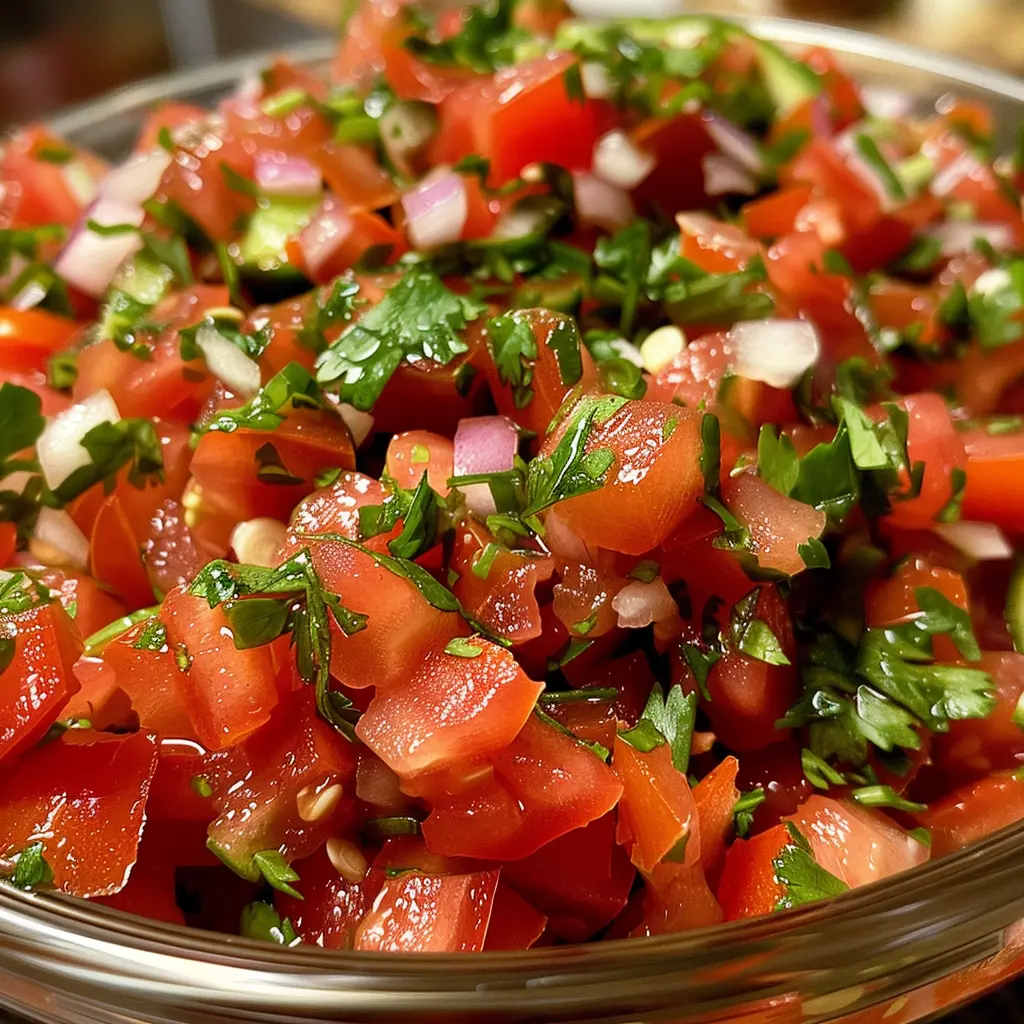
Best homemade salsa starts with ripe tomatoes, crisp onion, fresh cilantro, lime juice, garlic, and jalapeño combined in a bowl and left to rest in the refrigerator just long enough for everything to meld into something that tastes nothing like anything from a jar. Seven ingredients, fifteen minutes, and you have a salsa that makes every chip, taco, and burrito bowl noticeably better.
| Detail | Info |
|---|---|
| Prep Time | 15 minutes |
| Cook Time | 0 minutes |
| Chill Time | 30 minutes |
| Total Time | 45 minutes |
| Yield | 2 cups (8 servings) |
| Difficulty | Easy |
| Cuisine | Mexican / Tex-Mex |
Why This Recipe Works
This salsa is essentially pico de gallo — a fresh, uncooked salsa made entirely from raw ingredients — and the reason it works so well comes down to two things: the quality of the tomatoes and the 30-minute chill. Fresh salsa has nowhere to hide. There’s no roasting, no blending, no cooking that can compensate for an underripe or out-of-season tomato. A fully ripe tomato at peak season — heavy for its size, deeply colored, fragrant at the stem — produces a salsa that tastes vibrant and sweet. An underripe tomato produces one that tastes flat and watery regardless of how much lime or salt you add.
The 30-minute refrigeration rest is the step most people skip and the one that makes the most difference in the finished salsa. During that time, the salt draws moisture from the tomatoes and onion, and those released juices carry flavor from every component into a communal liquid that coats everything in the bowl. The lime juice and salt penetrate the raw onion and take the harshness off its bite, converting it from sharp and aggressive to bright and well-integrated. The garlic mellows. The cilantro relaxes into the tomato juice. The jalapeño heat distributes more evenly through the bowl. Freshly mixed salsa tastes like its components. Rested salsa tastes like a finished dish.
Lime juice is doing two jobs here beyond adding flavor. As an acid, it brightens and sharpens every other ingredient in the bowl — the tomato tastes more like tomato, the cilantro more herbal, the jalapeño more complex. It also slows the oxidative browning that makes fresh tomatoes dull and gray over time. A salsa without lime juice starts to look tired within an hour; a lime-dressed salsa stays bright and vibrant for the full 3 to 4 days of refrigerator storage.
Removing the jalapeño seeds and membranes before adding it gives you jalapeño flavor without jalapeño heat, which is where most of the capsaicin is concentrated. This allows you to use a full jalapeño for flavor while keeping the heat level accessible for most palates. Leaving half the seeds in produces a moderately spicy salsa; leaving all of them in makes it genuinely hot. The choice is entirely personal and easily customizable with no other changes to the recipe.
The salt level in this recipe serves the same function as the lime juice — it’s a flavor enhancer and a textural agent, not just seasoning. A full teaspoon of salt for 2 cups of salsa sounds like a lot, but that salt distributes through the liquid released by the vegetables and seasons every component from within rather than sitting only on the surface. Undersalted salsa tastes flat and muddy regardless of how ripe the tomatoes are. The right amount of salt makes every flavor in the bowl sharper and more distinct.
Ingredients
| Ingredient | Quantity | Notes |
|---|---|---|
| Medium ripe tomatoes, diced | 4 | Roma tomatoes hold their texture best; vine-ripened have the most flavor |
| Medium onion, finely diced | 1 | White onion is traditional; yellow is milder; red adds color and sweetness |
| Garlic cloves, minced | 2 | Fresh garlic only; jarred minced garlic has a stale, fermented note |
| Jalapeño, seeded and finely chopped | 1 | Remove all seeds for mild; leave half for medium; leave all for hot |
| Fresh cilantro, chopped | 1/4 cup | Use the leaves and the tender upper stems; the stems have great flavor |
| Lime juice | Juice of 1 lime | About 2 tablespoons; freshly squeezed only |
| Salt | 1 teaspoon | Kosher or fine sea salt; seasons and draws juices from the vegetables |
Step-by-Step Instructions
Phase 1: Prep the Vegetables
- Dice the tomatoes into pieces roughly a quarter inch in size. Consistent size matters more than perfect uniformity — you want pieces small enough to scoop with a chip but large enough to provide distinct tomato texture in every bite. If the tomatoes are very juicy, drain the excess liquid from the cutting board before adding them to the bowl. Too much liquid at the start produces a watery salsa; the tomatoes will release additional moisture during the chill time, which is what creates the right consistency.
- Finely dice the onion. The onion pieces should be noticeably smaller than the tomato pieces — about an eighth of an inch — so they integrate into the salsa rather than dominating it. Large onion chunks create an unbalanced bite where onion overwhelms everything else. If the raw onion flavor seems very sharp, soak the diced onion in cold water for 5 minutes, then drain and pat dry. This removes some of the sulfur compounds responsible for the harsh, lingering bite without removing the onion flavor.
- Mince the garlic as finely as possible. Coarse garlic pieces create hot spots of intense garlic flavor in the salsa. Finely minced garlic distributes more evenly and mellows better during the rest period.
- Halve the jalapeño lengthwise. Use a spoon or the tip of your knife to scrape out the seeds and white membrane. Finely chop the remaining pepper flesh. Wash your hands thoroughly with soap and water after handling the jalapeño — the capsaicin on your fingers will transfer to your eyes, nose, or lips if you touch your face. If you want more heat, add the seeds back in a little at a time and taste.
Phase 2: Combine and Rest
- Combine the diced tomatoes, diced onion, minced garlic, chopped jalapeño, and chopped cilantro in a large mixing bowl. Add the fresh lime juice and salt. Toss gently until everything is evenly distributed. Taste the salsa at this stage — it will taste sharp, slightly separate, and the onion will be prominent. This is normal; the rest period transforms it.
- Cover the bowl tightly with plastic wrap or transfer to an airtight container. Refrigerate for at least 30 minutes before serving. One hour is better. Two hours is best if you have the time. The longer the salsa rests, the more the flavors integrate and the more balanced and cohesive the finished product tastes.
- Before serving, stir the salsa well — the tomatoes release significant juice during chilling and the solid ingredients settle at the bottom. Taste once more and adjust with additional salt, lime juice, or jalapeño to your preference. Cold dulls seasoning slightly, so what tasted well-seasoned at room temperature may need a small boost of salt after chilling.
Chef Tips for Perfect Results
Choose tomatoes at peak ripeness. This is the most important ingredient decision in the entire recipe. A fully ripe tomato gives slightly when pressed, smells fragrant at the stem end, and has deep, saturated color. An underripe tomato is firm, pale, and nearly odorless. No amount of lime juice or cilantro can salvage a salsa made with poor tomatoes. In peak summer, garden tomatoes or farmers market tomatoes produce the best salsa. Off-season, Roma tomatoes are consistently the most reliable option since they’re meatier and less watery than beefsteak varieties.
Use white onion for the most authentic flavor. White onion has a sharper, cleaner bite than yellow onion and is what most Mexican restaurants use in fresh salsa. Yellow onion is milder and more widely available — a fine substitution. Red onion adds a slightly sweet, slightly wine-like note and vibrant color that works well in this salsa, especially if it’s going on top of tacos or bowls where appearance matters.
Drain excess tomato liquid if the salsa seems watery. After the rest period, if the bottom of the bowl has accumulated more liquid than seems right, tilt the bowl and spoon off some of it. The salsa should be juicy and moist but not swimming. A slotted spoon for serving is also useful — it lets you serve the solid ingredients while leaving excess liquid in the bowl.
Add a pinch of cumin. A quarter teaspoon of ground cumin stirred in with the salt adds a warm, earthy depth that gives this salsa a slightly more complex, restaurant-style flavor without making it taste cumin-forward. It’s one of those additions where you notice the difference in the finished product without being able to identify what changed.
Make extra and use it all week. Fresh salsa peaks at 24 to 48 hours after making — the flavor is fully integrated, the liquid has balanced out, and the salt has had time to do its work throughout all the ingredients. It stays good for 3 to 4 days in the refrigerator. Use it on eggs in the morning, on grilled chicken at lunch, on tacos at dinner, and with chips in between.
Common Mistakes to Avoid
Serving immediately without resting. Fresh salsa straight from the bowl tastes like separate ingredients tossed together — sharp onion, acidic lime, disconnected tomato. Thirty minutes of refrigeration transforms it into a cohesive, harmonious condiment. This step cannot be skipped if you want the best possible result.
Using bottled lime juice. Bottled lime juice has a flat, slightly bitter, preserved flavor that doesn’t provide the same bright, floral acidity as fresh lime. One lime takes 30 seconds to juice and makes an immediately perceptible difference in the freshness of the finished salsa. Always use fresh.
Using dried cilantro. Dried cilantro is a completely different ingredient from fresh and has almost none of the aromatic, herbal quality that makes fresh cilantro essential in this recipe. Dried cilantro in salsa produces a dull, slightly musty note rather than the bright, citrusy freshness of fresh leaves. If you genuinely dislike cilantro, omit it rather than substituting dried — the salsa will still be excellent without it.
Over-chopping the tomatoes. Tomatoes diced into pieces smaller than a quarter inch release most of their juice immediately and the salsa becomes watery and mushy rather than having distinct, juicy pieces with texture. A quarter-inch dice is the minimum size for pieces that hold their shape through the rest period and provide satisfying texture when eaten.
Not tasting and adjusting before serving. The right balance of salt, lime, and heat is personal and varies based on the specific ingredients used — how ripe the tomatoes are, how hot the jalapeño is, how sharp the onion is. Always taste after the rest period and adjust. A squeeze more lime, a pinch more salt, or a few extra pieces of jalapeño can be the difference between good salsa and great salsa.
Variations and Substitutions
Roasted salsa: Place the tomatoes, jalapeño, garlic, and onion on a baking sheet and broil for 8 to 10 minutes until charred in spots. Let cool slightly, then combine with cilantro, lime juice, and salt. The charring adds a smoky, complex depth that raw salsa can’t achieve and is the basis of most restaurant-style cooked salsas. Blending some or all of the roasted ingredients in a blender or food processor produces a smoother, more traditional restaurant salsa texture.
Mango salsa: Replace half the tomatoes with an equal amount of diced ripe mango. The mango adds tropical sweetness that contrasts beautifully with the jalapeño heat and lime. This variation works particularly well spooned over grilled fish or shrimp, or served alongside pork.
Tomatillo salsa verde: Replace the red tomatoes entirely with husked, washed, and finely diced tomatillos. Tomatillos are tarter and less sweet than tomatoes and produce a green salsa with a more assertively acidic flavor. Use this as a base for a quick salsa verde that works equally well as a dipping salsa or a cooking sauce for chicken or pork.
Corn and black bean salsa: Add half a cup of drained canned corn and half a cup of drained and rinsed black beans to the finished salsa. This version is more of a salsa relish that works as a side dish or topping for tacos and burrito bowls and is substantial enough to serve as a light salad alongside grilled meats.
Serving Suggestions
The obvious choice is tortilla chips — and this salsa genuinely elevates a basic chip into something worth eating slowly. Beyond chips, spoon it over scrambled eggs or a cheese omelette in the morning for an instant flavor upgrade. Use it as a topping for tacos, quesadillas, and burrito bowls. Spoon it over grilled chicken, salmon, or shrimp for an instant sauce that requires no additional cooking. Add it to guacamole for a pico-guac hybrid that’s better than either version alone.
For a full appetizer spread, pair with guacamole, sour cream, and a warm bowl of queso. The three dips together cover every dipping preference and create a complete Mexican-inspired starter that works for any gathering from casual to celebratory.
Storage
Refrigerator: Store in an airtight container for 3 to 4 days. The salsa continues to improve over the first 24 hours as the flavors integrate further. Stir well before serving since the tomatoes release additional juice during storage and the solids settle to the bottom. By day three the tomatoes will have softened slightly and the salsa will be juicier and more cohesive than on day one — some people prefer it at this stage.
Freezing: Not recommended for fresh salsa. The tomatoes lose their texture entirely when frozen and thawed, producing a watery, mushy result. Make fresh salsa in amounts you can use within 4 days.
Nutritional Information
| Nutrient | Per 1/4 Cup Serving |
|---|---|
| Calories | 30 |
| Protein | 1g |
| Carbohydrates | 6g |
| Fat | 0g |
| Fiber | 1g |
| Sugar | 2g |
| Sodium | 240mg |
| Cholesterol | 0mg |
Nutritional values are estimates based on standard ingredient sizes. Values will vary based on tomato size and specific quantities used.
FAQ
What’s the difference between this salsa and pico de gallo?
Very little — this recipe is essentially a classic pico de gallo. The term pico de gallo (literally “rooster’s beak” in Spanish) refers specifically to this style of fresh, uncooked, chunky salsa made with diced tomatoes, onion, cilantro, jalapeño, lime juice, and salt. Some people use “salsa” to refer to smoother, cooked versions and “pico de gallo” for the fresh chunky style. This recipe falls firmly in the pico de gallo category and is one of the most versatile and widely loved condiments in Mexican cooking.
Can I make this without cilantro?
Yes. Cilantro is one of the most polarizing herbs in cooking — genetic research has shown that a significant percentage of people have a receptor that makes fresh cilantro taste like soap rather than herbs, and for those people no amount of appreciation changes the experience. The salsa works without it — it loses some of its characteristic freshness and herbal brightness but remains a very good tomato and jalapeño condiment. Some people substitute flat-leaf parsley, which provides a similar fresh green element with a more neutral flavor.
How do I make it hotter or milder?
For milder: remove all seeds and white membrane from the jalapeño, use only half the jalapeño, or omit it entirely and substitute a small amount of finely diced mild green chile. For hotter: leave all the jalapeño seeds in, use two jalapeños, or substitute a serrano chile (naturally hotter than jalapeño) for some or all of the jalapeño. A small amount of cayenne pepper stirred in also adds direct, clean heat without additional vegetal flavor from extra fresh chile.
Why is my salsa watery?
Fresh tomatoes release a significant amount of juice when cut and salted, especially if they’re very ripe. This is normal. Manage it by draining excess juice from the diced tomatoes before adding them to the bowl, using Roma tomatoes which are meatier and less juicy than other varieties, and using a slotted spoon for serving to leave excess liquid in the container. If the salsa seems very watery after the rest period, drain it briefly through a fine-mesh strainer for a minute or two.
Can I use canned tomatoes instead of fresh?
You can, but it produces a fundamentally different result. Canned tomatoes — even good quality ones — have been cooked during the canning process and have a softer texture and more cooked, concentrated flavor than fresh tomatoes. If you use canned, drain them very well and use a brand with no added salt so you can control the seasoning. The result will be closer to a jarred salsa texture than true fresh salsa. For authentic fresh salsa, ripe fresh tomatoes are the only option.
Conclusion
The best homemade salsa is not complicated — it’s careful. Ripe tomatoes, the right amount of salt and lime, a proper rest period, and a final taste-and-adjust before serving. Seven ingredients and a half hour in the refrigerator produce something that no jarred salsa can compete with, and the difference is immediately obvious to anyone who tries it. Make a batch, keep it in the refrigerator, and find yourself reaching for it on everything from Monday morning eggs to Friday night tacos without any conscious decision to do so. That’s what a genuinely good condiment does.