
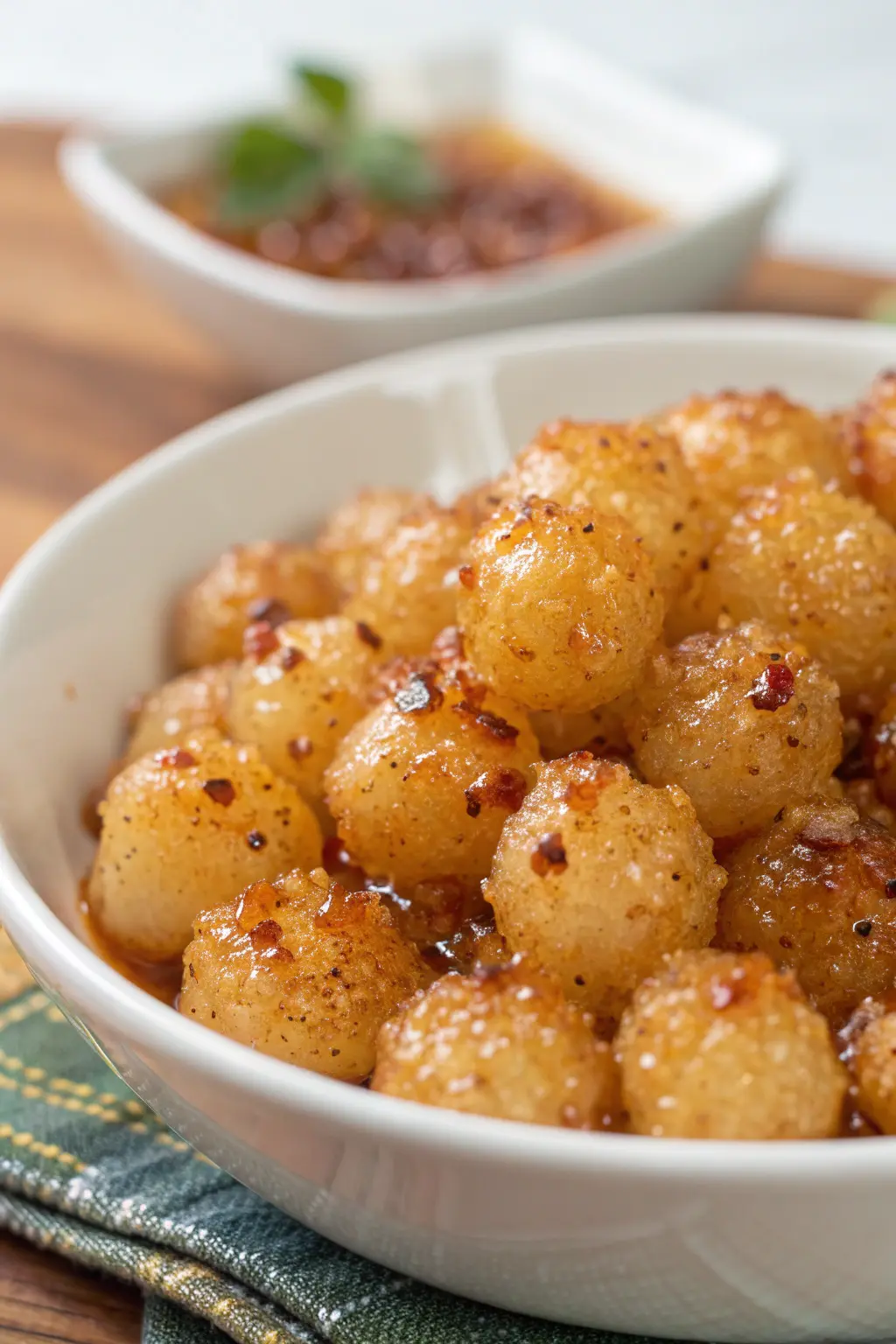
Ah, spaghetti carbonara! This dish always takes me back to a cozy evening in my grandmother’s kitchen, where the only thing more comforting than the warmth of the stove was the aroma of pancetta sizzling away. If you’re anything like me, you probably find joy in simple, hearty meals that bring the family together around the table. Spaghetti carbonara is exactly that—a no-fuss Italian classic that transforms a handful of basic ingredients into something truly magical.
Why You’ll Love This Pasta Dish
-
Quick and Easy: Ready in just 20 minutes, this recipe is perfect for busy weeknights when you need something delicious on the table fast. The simplicity of this dish means you can easily whip it up even after the most hectic of days. You don’t need special culinary skills or complex techniques, making it ideal for anyone who appreciates good food without the fuss. Plus, you’ll have more time to relax and unwind with your family after a long day.
-
Few Ingredients: With only a handful of ingredients, this dish is both budget-friendly and accessible to even the most novice of home cooks. The beauty of carbonara lies in its simplicity. You probably already have most of these ingredients in your kitchen, which means fewer trips to the grocery store and more time enjoying your meal. This minimalist approach is not only economical but also emphasizes the quality and flavor of each ingredient.
-
Rich and Creamy Flavor: The combination of eggs, cheese, and pancetta creates a creamy sauce without any cream—pure magic! This creamy texture is achieved through the magic of emulsification, where the beaten eggs and cheese turn into a silky sauce that clings to every strand of spaghetti, delivering a luscious taste in every bite. It’s a culinary sleight of hand that transforms humble ingredients into something truly indulgent.
-
Family Favorite: This is one of those meals that even picky eaters tend to love, making it a go-to family dinner. Kids and adults alike will appreciate its comforting flavors, and it’s a great way to introduce young ones to classic Italian cuisine without overwhelming their taste buds. It’s a dish that invites everyone to gather around the table, share stories, and savor each bite.
-
Authentically Italian: Using traditional ingredients and techniques, you’ll taste the authentic flavors of Italy right in your own kitchen. Authentic carbonara doesn’t rely on cream or mushrooms—just good, quality ingredients prepared with love and care. This commitment to tradition ensures that every mouthful is a genuine taste of Italy, full of rich history and culinary passion.
The Recipe
Prep Time: 10 minutes
Cook Time: 10 minutes
Servings: 4
Calories: Approximately 520 per serving
Ingredients
- 12 ounces spaghetti
- 4 ounces pancetta, diced
- 2 large eggs
- 1 cup grated Parmesan cheese
- 2 cloves garlic, minced
- Salt and freshly ground black pepper, to taste
- Fresh parsley, chopped (optional)
Instructions
-
Cook the Spaghetti: Bring a large pot of salted water to a boil. Add the spaghetti and cook until al dente, according to package instructions. Reserve 1 cup of pasta water, then drain the spaghetti. The key to perfect spaghetti is cooking it until it’s just firm to the bite, allowing it to hold up well when tossed with the sauce. This step is crucial as overcooked pasta can become mushy and won’t absorb the sauce as effectively.
-
Prepare the Sauce: While the pasta cooks, whisk together the eggs and Parmesan cheese in a bowl. Season with a pinch of salt and pepper. The mixture should be smooth and well-combined, as this will ensure an even coating on the pasta. Make sure to whisk vigorously to fully incorporate the cheese and eggs, which will prevent clumping when added to the pasta.
-
Sauté the Pancetta: In a large skillet over medium heat, cook the pancetta until crispy, about 5 minutes. Add the minced garlic and sauté for another minute until fragrant. The pancetta should be golden and crunchy, adding a delightful texture contrast to the creamy sauce. Be careful not to burn the garlic, as this can add a bitter note to the dish. The crispiness of the pancetta also brings out its full flavor, enriching the overall taste.
-
Combine Everything: Reduce the heat to low. Add the cooked spaghetti to the skillet with the pancetta and toss to combine. Remove the skillet from the heat. This step allows the pasta to absorb some of the pancetta’s savory flavors before adding the sauce. Tossing ensures that every strand of spaghetti is coated with the flavorful pancetta drippings, an important step for building depth of flavor.
-
Create the Creamy Sauce: Quickly pour the egg and cheese mixture over the pasta, tossing continuously. The heat from the pasta will cook the eggs slightly, creating a creamy sauce. If the sauce is too thick, add a bit of the reserved pasta water until you reach the desired consistency. The pasta water contains starch that helps bind the sauce, creating a silky texture. The key is to work quickly to prevent the eggs from scrambling—this technique results in a smooth, velvety sauce.
-
Season and Serve: Season with additional salt and pepper as needed. Garnish with chopped parsley if desired, and serve immediately. The freshness of parsley adds a pop of color and a hint of herbaceousness that perfectly complements the rich flavors. Serving immediately ensures that the sauce maintains its creamy consistency, providing the best texture and taste.
Kitchen Tools You’ll Need
- Large pot for boiling pasta: A wide, deep pot ensures the spaghetti cooks evenly without clumping together. It’s essential for achieving that perfect al dente texture.
- Skillet for sautéing: A good-sized skillet allows for even cooking of the pancetta and easy tossing of the pasta. The skillet should be large enough to accommodate the pasta without overcrowding.
- Mixing bowl: For whisking the eggs and cheese together into a smooth, cohesive mixture. A larger bowl helps prevent spills and makes it easier to whisk the ingredients thoroughly.
- Whisk: Essential for beating the eggs and cheese into a creamy sauce that will coat the spaghetti perfectly. A balloon whisk works best for incorporating air into the mixture, enhancing its creaminess.
- Tongs or pasta fork: These tools make it easy to toss the spaghetti with the sauce, ensuring each strand is well-coated. They also provide better control when transferring the pasta from the pot to the skillet.
The Benefits of Each Ingredient
- Spaghetti: The perfect canvas for this creamy sauce, its long strands capture all the flavors. Opt for high-quality dried pasta made from durum wheat for the best texture and flavor. Durum wheat pasta holds its shape well and has a satisfying bite.
- Pancetta: Adds a salty, savory depth that anchors the dish. If pancetta is unavailable, guanciale or even a good-quality bacon can be used, though each will impart slightly different flavors. Guanciale, made from pork jowl, offers a more robust taste, while bacon adds a smoky note.
- Eggs: These create the creamy texture without needing heavy cream. Room temperature eggs are best, as they blend more easily into the sauce. Using fresh eggs ensures the best flavor and consistency.
- Parmesan Cheese: The sharp, nutty flavor elevates the dish and ties all the ingredients together. For a more intense flavor, consider using Pecorino Romano or a combination of both cheeses. Grating the cheese yourself will provide a fresher, more vibrant taste.
- Garlic: Adds an aromatic depth that enhances the overall flavor profile. Freshly minced garlic is best for its vibrant flavor. Garlic’s pungency mellows when sautéed, becoming sweet and aromatic.
What to Serve With This Pasta Dish
Spaghetti carbonara pairs beautifully with a simple green salad dressed with lemon vinaigrette and a side of crusty bread. The acidity of the vinaigrette cuts through the richness of the pasta, providing balance to the meal. You might also enjoy it alongside a glass of crisp white wine, like a Pinot Grigio or a Chardonnay, which complements the dish’s savory notes. For a heartier meal, consider adding roasted vegetables or a light tomato bruschetta.
Storage & Leftover Tips
If you happen to have leftovers (a rare occurrence in my house!), store them in an airtight container in the refrigerator for up to 3 days. To reheat, add a splash of water or chicken broth to the pasta and warm gently over low heat. The sauce may separate slightly, but stirring will help bring it back together. Reheating slowly ensures the eggs do not scramble, preserving the creamy texture. Avoid using a microwave, as this can cause the eggs to overcook and the sauce to become dry.
In the end, spaghetti carbonara is the kind of dish that brings warmth, comfort, and a touch of elegance to any meal. Whether you’re sharing it with family or enjoying a quiet dinner for one, I hope this recipe becomes a beloved staple in your home, just as it is in mine. Happy cooking, and buon appetito!
For more delightful Italian recipes, check out our Homemade Lasagna and Pasta Primavera dishes. You might also enjoy this article on the history of carbonara to dive deeper into its origins.
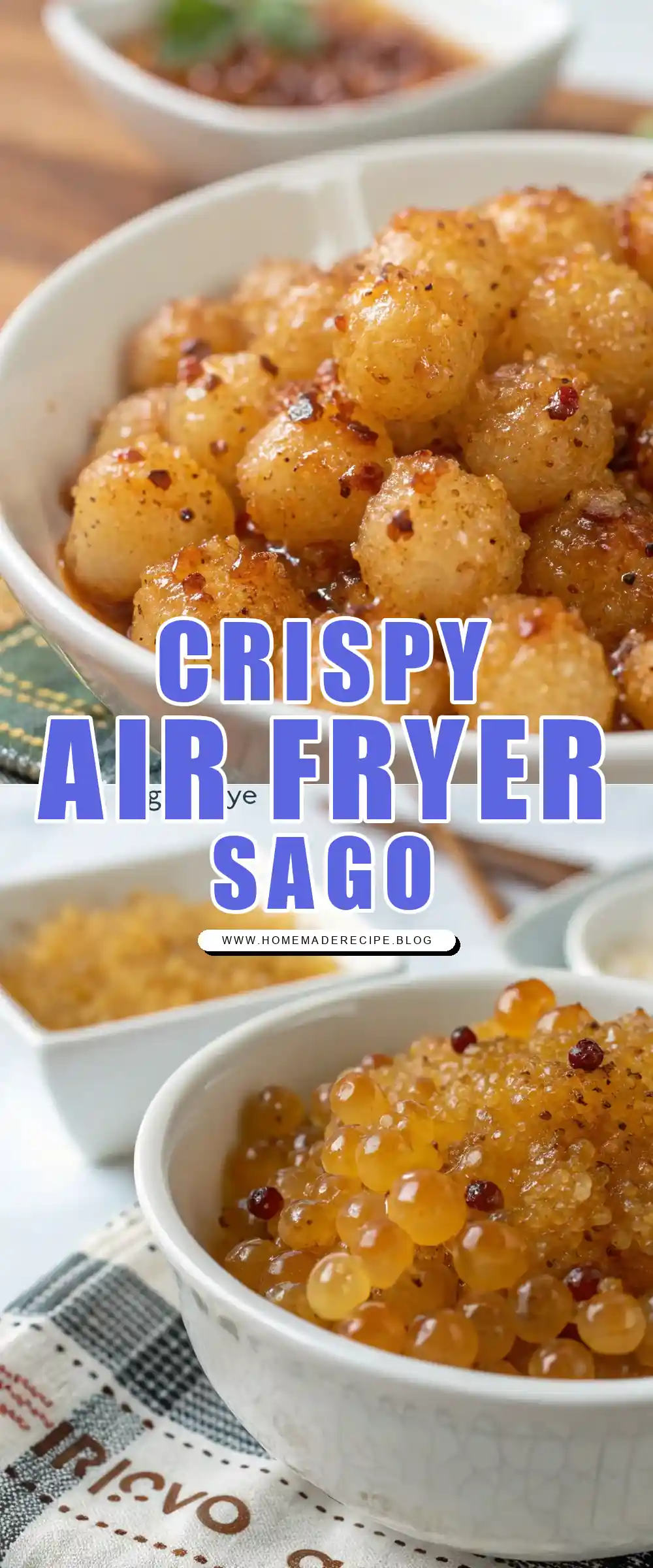
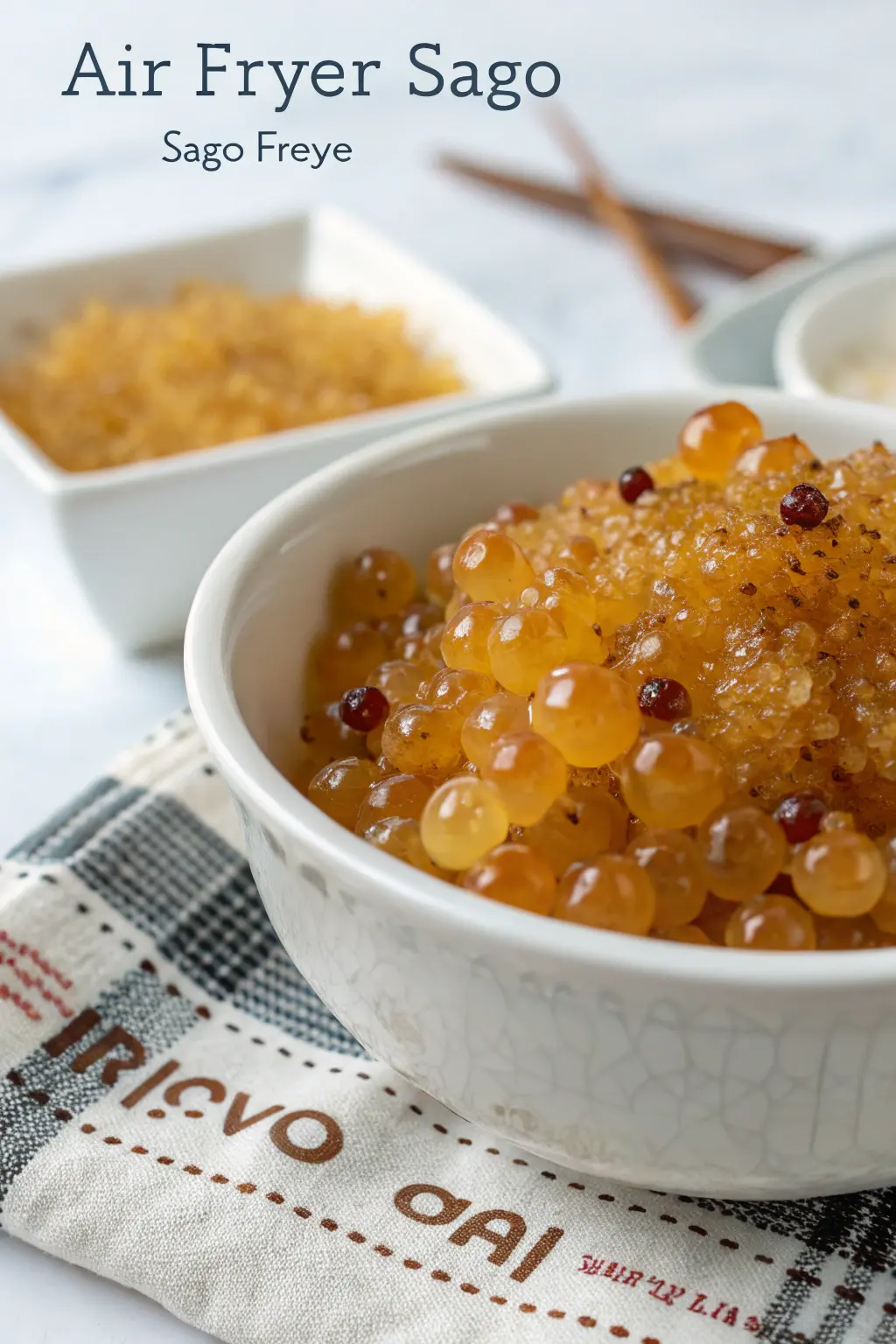
Air Fryer Sago
Ingredients
Equipment
Method
- Rinse the sago pearls under cold water until the water runs clear. Soak the pearls in 3 cups of water for 30 minutes, then drain.
- In a mixing bowl, combine the drained sago pearls, coconut milk, sugar, salt, and vanilla extract (if using). Mix until well combined.
- Preheat the air fryer to 350°F (175°C) for 5 minutes.
- Lightly spray the air fryer basket with cooking spray to prevent sticking.
- Spoon the sago mixture into small, greased ramekins or silicone molds, filling each about 2/3 full.
- Place the ramekins in the air fryer basket in a single layer. Cook for 15 minutes at 350°F (175°C) or until the sago is translucent and set.
- Carefully remove the ramekins from the air fryer and let them cool for a few minutes before serving.